

The MAD HATTER CHRONICLES™

3 Reasons Most Businesses Never Reach $1 Million

Thomas Minieri • June 26, 2026

Most entrepreneurs don’t fail because they’re lazy. In fact, the opposite is usually true. They work incredibly hard. They wake up early, stay up late, wear too many hats, and carry enormous pressure. They sacrifice time, sleep, peace, and often their health trying to make the business work. And yet many still stay stuck. Revenue goes up and down. Marketing feels inconsistent. Growth stalls. Stress rises.

Eventually, they start asking themselves a painful question: What am I missing?


Most assume the answer is another strategy. Another course. Another expert. Another marketing tactic. Another tool. But what if the real problem isn’t strategy? What if the real problem is something far more dangerous? What if your thinking has become distorted?


This is the dark side of entrepreneurship that almost nobody talks about. When entrepreneurs operate under constant pressure, stress starts affecting judgment. You become more reactive, more emotional, and more vulnerable to bad advice and false assumptions.

This is what I call Mad Hatter Syndrome™.


Like the original hat makers poisoned by mercury, entrepreneurs today are often poisoned by something invisible: noise, fear, urgency, overwhelm, and false beliefs. And once your thinking becomes distorted, you can work incredibly hard while moving in the wrong direction. Here are three of the biggest distortions keeping businesses stuck below the million-dollar mark.


1. You Built a Business That Can’t Function Without You

This is one of the most common traps in entrepreneurship. You started the business because you had a valuable skill. Maybe you’re great at consulting, design, law, fitness, real estate, or some other service. At first, being the business works just fine. But growth changes the game.


Suddenly you’re no longer just delivering the service. Now you’re responsible for marketing, sales, operations, customer service, hiring, leadership, strategy, and finances—all at the same time. Everything flows back to you. Every important decision needs your input. Every problem lands on your desk. Every dollar depends on your effort. This creates a dangerous illusion. You tell yourself you own a business, but often you don’t. You own a job with overhead. And in many cases, it’s an exhausting one.


This is where distortion kicks in. Many entrepreneurs mistake busyness for scale. They assume that because they’re constantly busy, the business must be growing. Not necessarily. You can be overwhelmed and still structurally broken. A business that depends entirely on the owner isn’t scalable. It’s fragile. Growth should create leverage, but for many entrepreneurs, growth creates more chaos instead. More customers. More problems. More pressure. More dependency. That isn’t freedom. That’s a trap.


The hard truth is simple: if the business cannot function without you, you haven’t built a real company yet.

You’ve built dependency.


2. You Think Random Marketing Activity Is a Marketing System

This is one of the biggest lies entrepreneurs believe. They assume they have marketing because they’re doing marketing-related activities. They have a website, social media accounts, some ads, occasional emails, maybe even SEO. So they assume marketing is handled. But activity is not the same as architecture. This is where many businesses quietly break. They expect one tactic to do the work of an entire system. They hope one ad, one funnel, one website redesign, or one AI tool will somehow fix everything.


That’s tactic addiction. And it usually leads to disappointment. Because marketing isn’t one thing. It’s a machine.


Think of a watch. One gear by itself does nothing. But when every gear connects properly, the system works beautifully. Marketing works the same way. Each component has a specific job.


Your ad has a job.

Your website has a job.

Your messaging has a job.

Your sales process has a job.


When those parts don’t connect, the machine breaks. This is where entrepreneurs get distorted. They obsess over traffic while ignoring conversion. They obsess over leads while ignoring messaging. They obsess over tactics while ignoring customer psychology. They keep asking, How do I get more attention?


But often the better question is: Why aren’t people choosing us?

Those are very different questions. One chases noise. The other diagnoses reality. Rare entrepreneurs understand something average entrepreneurs miss: marketing isn’t random activity. It’s intentional progression. When the sequence is broken, growth becomes unpredictable.


3. You Blend Into the Sea of Sameness

Even businesses with decent structure and decent marketing still hit another major ceiling. They look like everyone else. Same promises. Same language. Same offers. Same customer experience. Over time, they become commodities. And when customers don’t see meaningful differences between companies, they default to three things: price, convenience, and familiarity. That’s dangerous. Because once customers stop seeing distinction, your value becomes harder to defend.


This is one of the biggest distortions in modern business. Many entrepreneurs think being different automatically creates competitive advantage. It doesn’t. Different alone means nothing.


Weird is different.

Bad is different.

Confusing is different.

Customers don’t reward difference.

They reward value.


Real competitive advantage happens when you create meaningful value competitors fail to create. Better communication. Better onboarding. Better trust. Better customer experience. Better problem-solving. Something customers actually care about. This is where the Sea of Sameness™ becomes deadly. Most businesses compete on surface-level things like price, features, and tactics. The strongest businesses compete on something deeper.


They become more valuable.

More memorable.

More magnetic.


Customers compare logically, but they choose emotionally. That’s why some businesses become impossible to ignore. They don’t just function well—they feel different. That’s where preference is created.  That’s where magnetism is created. That’s where competitive edge is created.


Final Thoughts

Most businesses don’t stay small because the owner lacks ambition or work ethic. They stay small because distorted thinking keeps them focused on the wrong problems. They work harder inside broken systems. They chase tactics instead of diagnosis. They blend into crowded markets while wondering why growth feels so difficult. This is the danger of Mad Hatter Syndrome™.


The scariest part is that from the inside, it feels normal. It feels like hard work. It feels like progress. It feels like you’re doing everything right. But distorted thinking can make smart entrepreneurs build fragile businesses. That’s why the first breakthrough usually isn’t better tactics. It’s better perception. Because before you can build differently, you must learn to see differently.

UNDER THE HOOD WITH THOMAS MINIERI

Most entrepreneurs treat symptoms. Let’s diagnose what’s really holding your business back so you can stop guessing and start growing.

Book CEO Diagnostic →

Ready to Shatter Another Assumption?

The Mad Hatter Chronicles™ explores the mental lies, hidden assumptions, and psychological distortions that cause brilliant entrepreneurs to misread reality—and the stronger mental models that help them see more clearly, think differently, and make better moves.
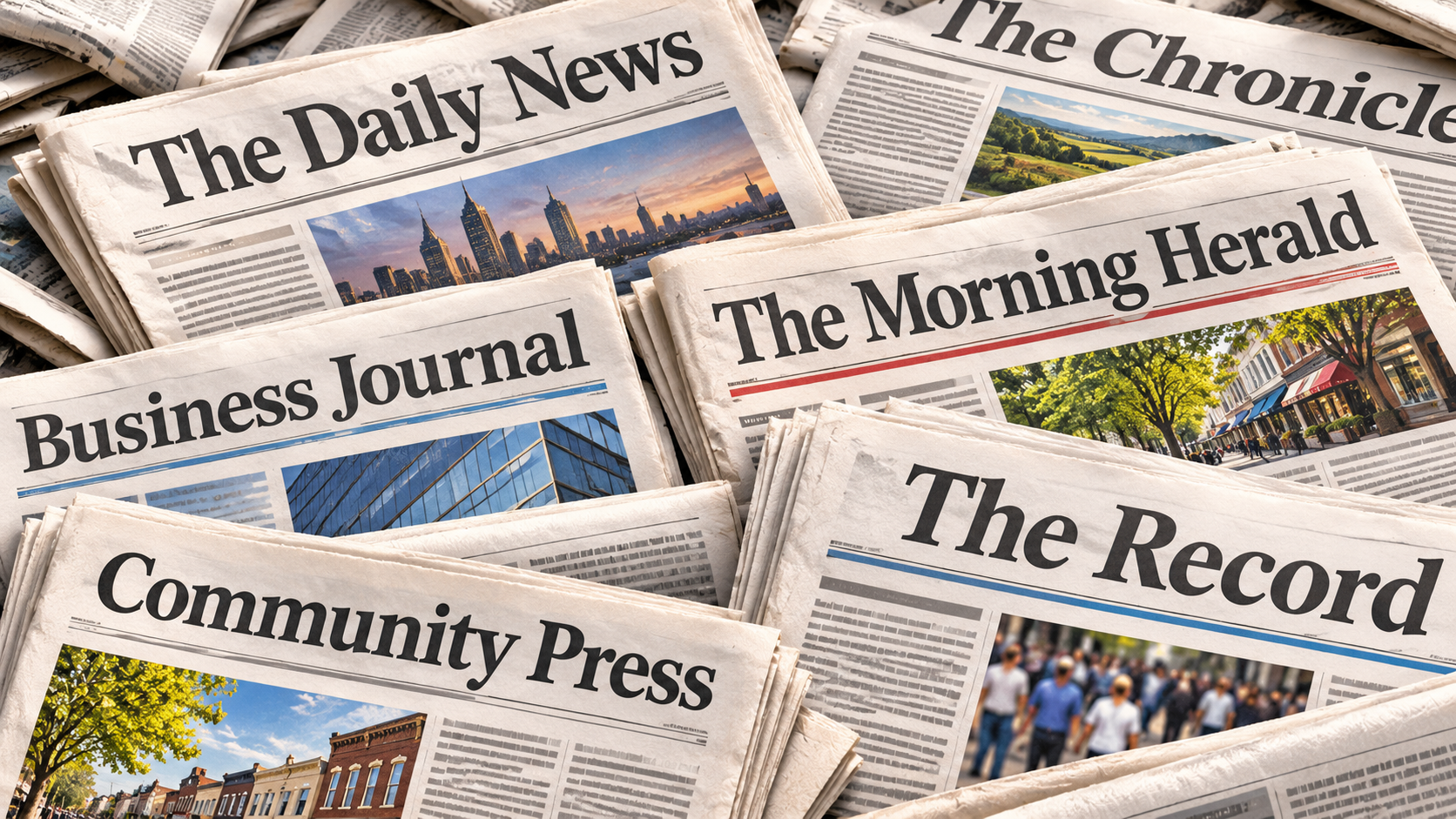
By Thomas Minieri • November 3, 2026
Want free publicity for your business? Here's how to write a press release—and create something worth talking about. A story in the local newspaper, an interview on television, or a mention in an industry publication can introduce your business to hundreds or even thousands of potential customers. One of the simplest ways to attract that kind of attention is by writing a press release. A press release is a short news announcement sent to journalists, editors, and media outlets. Its purpose is to give them an interesting story they might want to share with their audience. But here's the catch. Just because something is exciting to you doesn't mean it's interesting to everyone else. Journalists aren't looking for advertisements disguised as news. They're looking for stories their readers will actually care about. So before writing anything, ask yourself a simple question: Why would someone who doesn't know my business care about this announcement? That's where a good press release begins. Find Something Newsworthy A new location, product launch, business milestone, community initiative, or unusual partnership can all make good stories. But the announcement itself isn't always what makes something interesting. It's the impact that announcement has on other people. For example, opening another bakery might not attract much attention. But opening a bakery that creates twenty local jobs or launches a free culinary program for teenagers? Now you've got a story. The difference is relevance. Think about what makes your announcement timely, unusual, useful, or meaningful to people outside your company. If you can't identify something interesting, you may need a better story rather than better writing. Write a Headline That Tells the Story Your headline should explain the news in one short, interesting sentence. Instead of writing something like "Harbor Bakery Is Excited to Announce a Wonderful New Initiative," try "Harbor Bakery Launches Free Baking Program for Local Teens." The second headline tells readers exactly what's happening and why they might care. You can add a short subheadline to provide additional context, but don't overcomplicate things. Keep your language simple, include your company's name, and get straight to the point. Remember, you're trying to communicate news, not impress someone with clever marketing language. Put the Important Information First Unlike a blog article, a press release doesn't build suspense. It starts with the news. Your opening paragraph should answer five basic questions: Who? What? When? Where? Why? Start with your city, state, and date, followed by a clear explanation of the announcement. The next paragraph should explain why the story matters. Who benefits? What problem does it solve? What makes it different? Include meaningful statistics, documented achievements, or other facts that support your story. Avoid exaggerated claims and empty marketing language. Let the facts make your business interesting. Add a Human Voice A short quote from the business owner, customer, community partner, or someone involved in the announcement can make your story more engaging. But don't waste the opportunity by simply saying how excited everyone is. Instead, explain what inspired the announcement, why the work matters, or what you hope to accomplish. A meaningful quote gives journalists something they can use in their reporting while helping readers connect with the people behind your business. Keep It Short and Professional Most straightforward announcements can fit comfortably on one page. Use short paragraphs, plain English, and a factual tone. Avoid technical jargon, excessive links, and long promotional descriptions. Include a relevant website link, supporting images when available, and a brief description of your company at the end. Finish with contact information for someone journalists can reach. Remember that a press release isn't a commercial. Write it in the third person, as though a journalist were reporting the announcement. Once it's ready, send it to relevant local reporters, industry publications, business journals, and media outlets that cover your subject. You can also use a press release distribution service, although publication is never guaranteed. The important thing is to get your story into the hands of people whose audiences might genuinely care about it. A Simple Press Release Template You Can Use You don't need special software or a public relations agency to write a professional press release. Just follow this simple format, replace the information in brackets with your own details, and adjust the language to fit your announcement. FOR IMMEDIATE RELEASE [Company Name] Announces [Important News or Milestone] Subheadline: [Briefly explain who benefits and why the announcement matters.] [CITY, STATE] – [MONTH DAY, YEAR] – [Company Name] announced [describe the news in one clear sentence]. The announcement will [explain what is happening, when, where, and who it impacts]. [Include an important detail that makes the story interesting.] [Explain why the announcement matters. What problem does it solve? Who benefits? What makes it different? Include relevant statistics or supporting facts when available.] "[Include an authentic quote explaining the purpose, inspiration, or importance of the announcement]," said [Full Name], [Title] of [Company Name]. [Provide additional details about the program, product, service, event, or milestone. Include relevant dates, locations, or information readers should know.] For more information about [announcement], visit [Relevant Website URL]. About [Company Name] [Company Name] is a [type of business] based in [City, State], specializing in [products or services]. The company serves [target audience] and focuses on [mission or primary customer benefit]. Learn more at [Company Website]. Media Contact [Full Name] [Title / Company] [Phone Number] [Email Address] [Website] That's it. You now have a basic press release ready to customize. Before sending it, check your facts, dates, spelling, links, and quotes. Remove unnecessary information, keep your announcement focused, and make sure you're sending it to publications whose readers might genuinely care. And if you're struggling to find something interesting to announce, consider a bigger question. Create Your Own News With Market Research Here's a strategy many entrepreneurs overlook. Instead of waiting for something newsworthy to happen, why not create something interesting for people to learn about? In my book Lemonade Maker®, I teach Lemonology® Strategy No. 149: Market Research . One practical application is using surveys to discover interesting information about your customers, industry, or marketplace. And here's the opportunity: that information can become the foundation of a compelling press release. Think about it. Journalists love interesting facts, surprising statistics, emerging trends, and insights into human behavior. So why not conduct your own research and give them something useful to report? You can create an online survey using tools like Google Forms or SurveyMonkey and distribute it through your email list, social media, customer database, or relevant community groups. Ask questions about customer preferences, buying habits, frustrations, spending priorities, or changes they're noticing in your industry. For example, imagine you own a landscaping company. You could survey local homeowners about their biggest landscaping frustrations, what improvements they prioritize, or how much time they spend maintaining their yards. A restaurant owner could research local dining preferences, while a real estate professional could explore what homebuyers value most when choosing a neighborhood. The possibilities are nearly endless. Once you've collected enough useful responses, analyze the results and look for interesting patterns. You might discover a surprising customer preference, an overlooked frustration, or a trend that challenges conventional thinking. That's potentially valuable information for customers, business owners, and journalists alike. Of course, make sure your research is credible. Ask neutral questions, accurately report how many people responded, and explain who participated. A survey of fifty existing customers can reveal useful customer insights, but it doesn't necessarily represent an entire city or industry. Don't make your findings sound bigger than they are. Now you've got something more interesting than another announcement about how wonderful your company is. You've got original information that people might actually want to know. And because your business conducted the research, your company becomes a natural part of the story. You're not simply promoting your business. You're contributing something useful to the conversation. Other Ways to Create Something Worth Talking About Market research isn't your only opportunity. Think about noteworthy accomplishments your company has achieved that people outside your business might genuinely appreciate. Perhaps you've reached an unusual milestone, created significant employment opportunities, developed an innovative process, received meaningful industry recognition, or made a measurable difference in your community. You can also create something valuable for the public. Write a book that shares your expertise, publish an industry report, develop an educational guide, or produce a useful media resource that helps people solve a problem. A compelling study, informative video, or original collection of insights can give journalists a reason to reference your company while providing something worthwhile for their audience. The key is to focus on what people will find interesting or useful, rather than what you want to sell them. And please, resist the temptation to sneak sales copy into your press release. Journalists can recognize a promotional pitch disguised as news, and readers can too. If your announcement sounds like an advertisement, you've probably missed the point. A press release should inform, educate, or share something meaningful. It shouldn't be a lengthy sales pitch cleverly dressed up as journalism. Let your business earn attention by contributing something valuable. The publicity, credibility, and potential customer interest are benefits that may follow. Give People Something Worth Talking About Before writing your next press release, ask yourself: Am I just trying to get attention for my business, or am I creating something people genuinely want to know about? That's an important distinction. When you consistently uncover interesting insights, solve meaningful problems, and create things people find valuable, you give your marketing something worthwhile to communicate. At Lemonade Maker® Strategies, I help entrepreneurs identify hidden opportunities, challenge conventional thinking, and develop innovative strategies that separate their businesses from the competition. Whether it's discovering valuable customer insights, improving your business model, or developing something genuinely remarkable, the opportunity may already be sitting right in front of you. Want to create something worth talking about? Book a CEO Diagnostic with Thomas Minieri and discover strategies to build meaningful value, uncover overlooked opportunities, and give customers and the marketplace a compelling reason to pay attention. See What Others Miss. Create Unfair Advantage. Become Irreplaceable. 
By Thomas Minieri • October 29, 2026
Why do smart entrepreneurs make bad decisions under pressure? The Mad Hatter story reveals how fear, stress, false authority, and the search for relief can quietly distort business judgment.
By Thomas Minieri • October 22, 2026
Lone-wolf entrepreneurship can feel powerful and independent, but when every decision depends on the founder, independence becomes fragility. Learn how to recognize founder dependency and build beyond yourself.
By Thomas Minieri • October 15, 2026
Successful businesses can quietly become trapped by systems that once made them innovative. Learn how to identify what should stay, what needs an upgrade, and what needs a complete overhaul.
By Thomas Minieri • October 8, 2026
Saving money feels responsible, but fear of spending can quietly choke business growth. Learn how loss aversion turns healthy cash reserves into a dangerous entrepreneurial trap.
By Thomas Minieri • October 5, 2026
Business coaches, gurus, and even AI can reinforce assumptions you already believe. Learn why real business strategy starts with diagnosis, not validation.
Show More Chronicles...